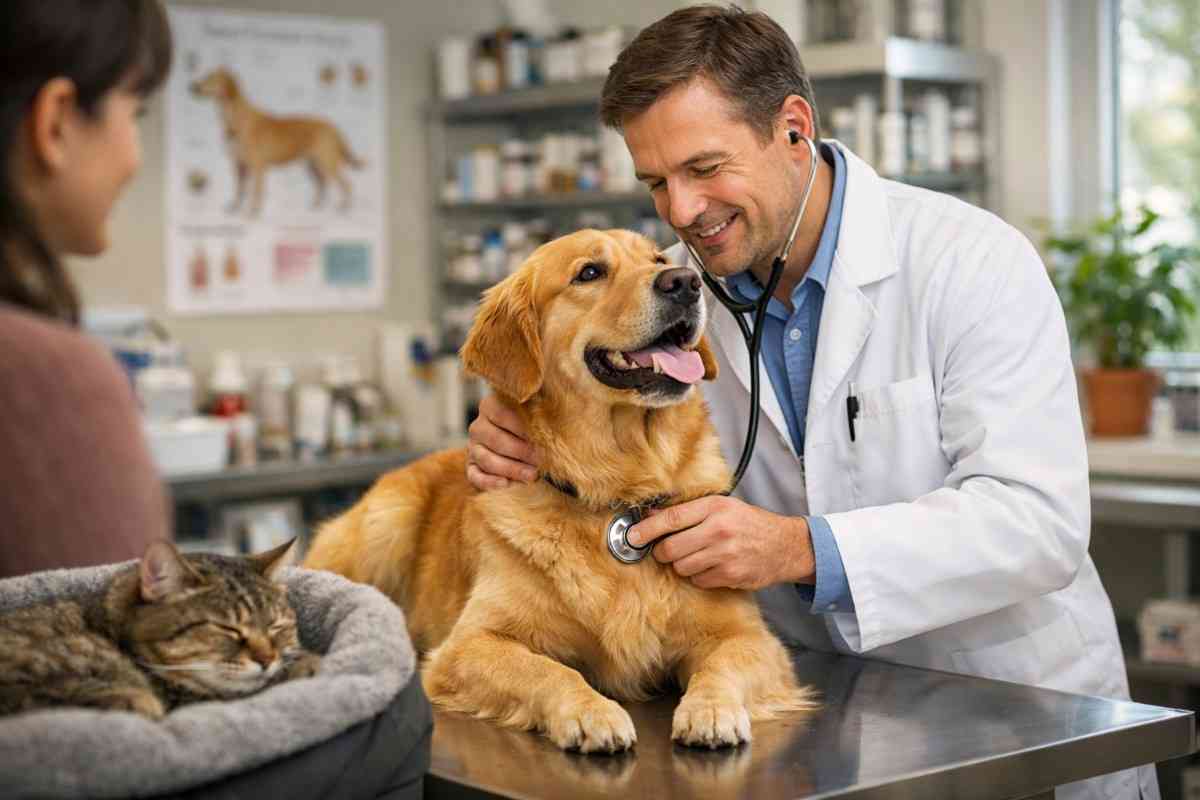
Pets are more than just animals—they are family. Whether it’s a playful dog, a curious cat, or a chirping bird, every pet depends on proper care to live a long and healthy life. That’s where Veterinary Medicine and responsible pet ownership come together under the umbrella of Pet Health & Veterinary Care.
What is Pet Health & Veterinary Care?
Pet health and veterinary care involve maintaining the physical and emotional well-being of animals through:
- Regular medical checkups
- Preventive treatments
- Proper nutrition
- Hygiene and grooming
- Early diagnosis and treatment of diseases
Veterinarians are trained professionals who specialize in diagnosing and treating animal health issues, ensuring pets receive the best possible care.
Why Pet Health Matters
Good health is essential for your pet’s quality of life. Proper care helps:
- Prevent diseases
- Extend lifespan
- Improve behavior and mood
- Reduce long-term medical costs
Just like humans, pets require consistent attention to stay healthy and active.
Common Health Issues in Pets
Different animals face different health challenges, but some common concerns include:
Dogs
- Rabies
- Parvovirus
- Skin allergies
- Joint problems
Cats
- Feline Leukemia
- Kidney Disease
- Dental issues
General Issues
- Obesity
- Parasites (fleas, ticks, worms)
- Infections
Early detection and treatment are key to managing these conditions effectively.
Preventive Care: The Foundation of Pet Health
Vaccinations
Vaccines protect pets from life-threatening diseases like Rabies and distemper.
Regular Checkups
Routine visits to a veterinarian help monitor your pet’s health and catch issues early.
Parasite Control
Preventing fleas, ticks, and worms is crucial for overall well-being.
Proper Nutrition
A balanced diet supports growth, energy, and immunity.
Nutrition and Diet
Feeding your pet the right food is one of the most important aspects of care. A healthy diet should:
- Match your pet’s age, size, and breed
- Include essential nutrients (proteins, fats, vitamins)
- Avoid harmful foods
Consulting a veterinarian ensures your pet gets the right nutritional plan.
The Role of Veterinary Professionals
Veterinarians play a critical role in pet health. They:
- Diagnose illnesses
- Perform surgeries
- Provide vaccinations
- Offer dietary and behavioral advice
Advancements in Artificial Intelligence are also helping veterinarians improve diagnostics and treatment planning.
Emergency Care
Knowing when to seek urgent care can save your pet’s life. Signs of emergencies include:
- Difficulty breathing
- Severe injury
- Sudden lethargy
- Persistent vomiting or diarrhea
Immediate veterinary attention is crucial in such cases.
Mental and Emotional Well-being
Health is not just physical—pets also need emotional care. This includes:
- Regular exercise and play
- Social interaction
- A safe and comfortable environment
Neglecting mental health can lead to stress and behavioral problems.
Hygiene and Grooming
Maintaining cleanliness is essential for preventing infections:
- Regular bathing
- Brushing fur
- Nail trimming
- Dental care
Good hygiene contributes significantly to overall health.
Pet Health in the Modern World
Technology is transforming pet care:
- Wearable health trackers for pets
- Telemedicine consultations
- Advanced diagnostic tools
These innovations are making veterinary care more accessible and efficient.
Tips for Responsible Pet Ownership
To keep your pet healthy:
- Provide regular veterinary care
- Maintain a balanced diet
- Ensure vaccinations are up to date
- Give plenty of love and attention
- Keep their environment clean and safe
Responsible ownership is the key to a pet’s happiness.
Why Veterinary Care is Essential
Ignoring health issues can lead to serious consequences. Veterinary care:
- Prevents suffering
- Detects diseases early
- Improves quality of life
- Strengthens the human-animal bond
Final Thoughts
Pet Health & Veterinary Care is about more than just treating illnesses—it’s about creating a life where pets can thrive. With the support of Veterinary Medicine and responsible care at home, pets can live longer, healthier, and happier lives.
In the end, caring for a pet is a commitment—one that brings immense joy, companionship, and unconditional love. By prioritizing their health, we give back a fraction of the happiness they bring into our lives every day.